The Complete Tabletop Checklist for Opening a Restaurant
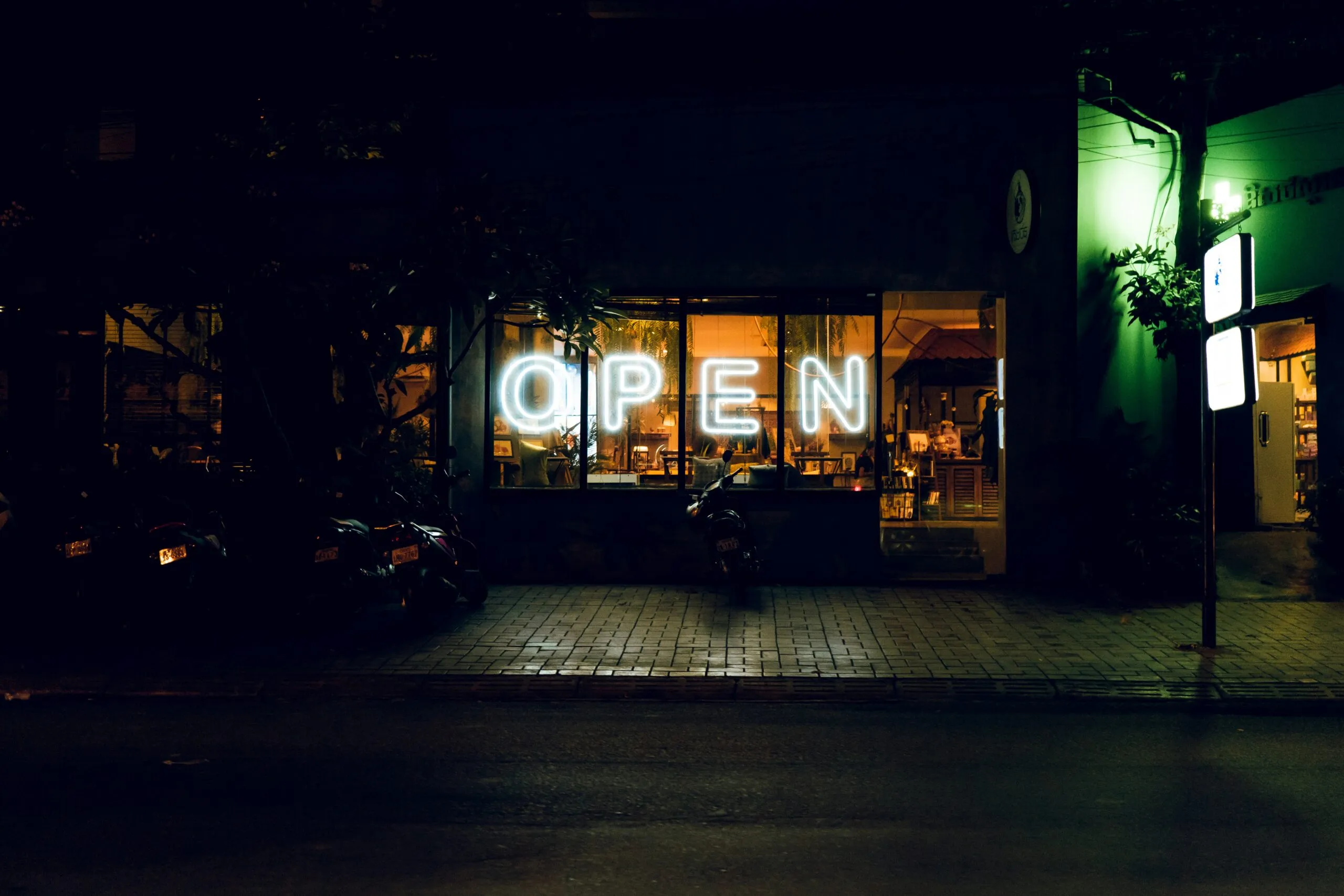
Opening budgets obsess over kitchens and build-outs, then leave the tabletop — the only part of the restaurant every guest inspects at arm’s length for an hour — to a last-minute catalog order. This checklist covers everything your tables need on day one, with quantities, and the mistakes that force expensive re-orders in month three.
The Core Checklist (Per 50 Seats)
Menus and presentation
- Menu covers: 35–45 (0.7–0.9 per seat; tables share, but Friday night doesn’t)
- Drink/wine list covers: 15–20 if separate from food menus
- Specials inserts or clip boards: 10–15
- Kids’ menus (washable): 10 if your concept expects families
Service hardware
- Table numbers: one per table + 15% spares
- Reserved signs: 6–10 (roughly 20–25% of table count)
- Check presenters: 12–18 (one per 3–4 seats; they queue at the POS, not the table)
- QR code stands (if using digital menus/payment): one per table + spares
- Salt/pepper/condiment holders per your menu
Server tools
- Server books/wallets: one per server + 2 spares
- Waiter’s friends, crumbers, pen stocks — cheap, but count them now, not during service
The Five Mistakes That Cause Re-Orders
1. Buying exact counts. Breakage, theft (yes, guests steal nice things), and layout changes eat 10–15% of tabletop stock in year one. Order spares upfront — reprints and re-runs cost more per unit and rarely match the original batch.
2. Ignoring the wash test. Every item will be wiped with sanitizer 10+ times a day. Cheap lacquers cloud, stickers peel, printed logos fade within a season. Ask suppliers specifically how finishes handle commercial sanitizers; sealed hardwood and engraved (not printed) branding survive years.
3. Mismatched materials. Menu covers from one catalog, plastic table numbers from another, a metal reserved sign from a third. Each is fine; together they look accidental. Choose one material story — and remember engraving beats printing for anything you want to still look sharp in year three. Ordering the whole set from one maker solves coherence automatically; workshops producing custom wooden products for restaurants will match stain, font, and logo placement across every piece, often from a one-piece minimum.
4. Forgetting the check moment. Teams spend weeks on menu design and zero minutes on how the bill arrives — at exactly the moment guests set the tip. A proper check presenter costs less than one night’s staff meal and upgrades the last impression of every single cover.
5. Ordering too late. Custom and engraved items take 2–6 weeks in production plus shipping. Order tabletop at the same time you order furniture — a beautiful room opening with paper menus and taped table numbers burns the first-week photos that follow you on review sites forever.
Material Choices at a Glance
| Item | Budget option | Recommended | Why upgrade |
| Menu covers | Laminate | Wood/leather, changeable inserts | Price perception; survives sanitizer |
| Table numbers | Printed cards | Engraved wood | Never fades; doubles as décor |
| Check presenters | Vinyl folder | Wood or leather, logo | Last impression at tipping time |
| Reserved signs | Paper tents | Engraved, double-sided | Visible on your best tables |
| QR stands | Sticker/laminate | Engraved with table number | Always scans; one object, two jobs |
The pattern across the table: the budget option is cheaper per unit and more expensive per year, because print fades and plastic cracks on a schedule. Engraved hardwood is the rare case where the premium choice is also the low-maintenance one.
Don’t Forget the Back Half of the Room
Two categories openings consistently miss: host stand supplies (waitlist clipboard, phone charger guests will beg for, a drawer of spare pens that actually stays stocked) and patio-rated versions of everything if you have outdoor seats — indoor table hardware blows over, fades, and warps outside within one summer. Order patio variants (weighted bases, UV-stable finishes) as a separate line item rather than discovering the difference in July.
Timing and Budget Snapshot
For a 50-seat full-service opening, a complete quality tabletop program runs $1,500–4,000 — roughly 0.5–1% of a typical opening budget, for 100% of what guests touch. Place custom orders 6–8 weeks before opening; unbox and inspect everything two weeks out; and photograph the finished tables before opening night — those images become your website, your Google profile, and your first press kit.
The Test Before You Order
Set one complete place setting on a sample table: menu in cover, table number, QR stand, condiments. Sit where the guest sits. Does it look like one restaurant designed it, or four suppliers? Can you read the table number from the host stand? Does the menu cover feel like your price point? Ten minutes with this mock-up saves most of the mistakes above — and the tables guests sit at will finally match the kitchen you spent the real money on.
Author bio (suggested): [Name] advises first-time restaurant operators on openings. Quantity benchmarks courtesy of KyivWorkshop’s order data across independent restaurants.