How Toronto’s Neighbourhoods Have Changed Alongside the Condo Boom
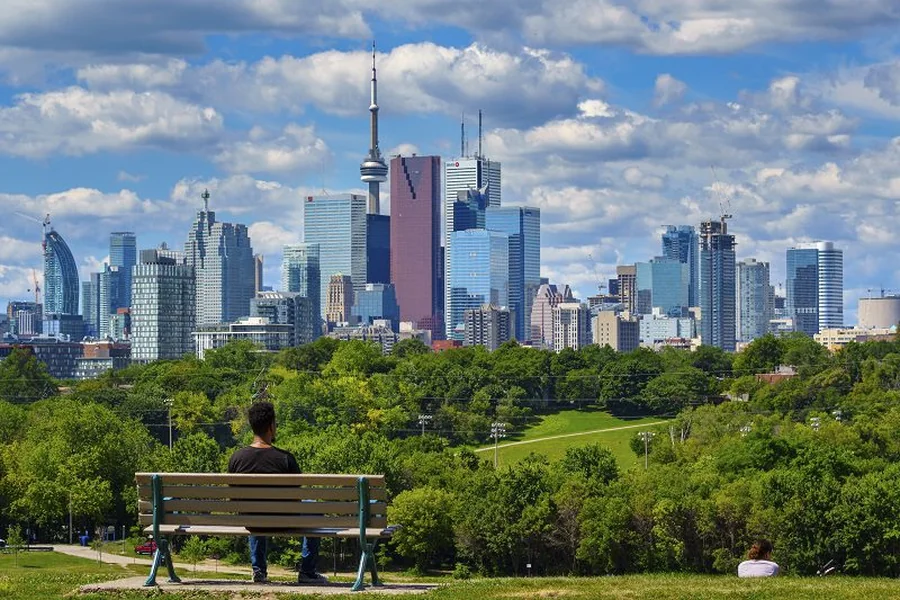
The Skyline Changed, and So Did the Streets
Look at a photo of Toronto from fifteen years ago. Then look outside today.
The difference is impossible to miss.
Glass towers rise where parking lots once stood. Former industrial areas have become busy communities. Streets that were quiet after office hours now stay active well into the evening.
The condo boom changed the skyline. It also changed how neighbourhoods work.
Over the past decade, more than 70% of Toronto’s new housing starts have been condos. As thousands of new residents moved into these buildings, local businesses, transit systems, and public spaces changed with them.
Neighbourhoods stopped being places people simply visited during the day.
They became places where people lived, worked, and spent most of their time.
More People Created More Complete Communities
Shops Follow Residents
When hundreds of new homes appear, businesses pay attention.
Coffee shops open.
Small grocery stores arrive.
Fitness studios replace empty storefronts.
Restaurants stay open later.
One street that once had little activity after 6 p.m. can become lively from morning until late evening simply because thousands of residents now live nearby.
Population density creates opportunity.
Services Expanded Too
Neighbourhoods also gained pharmacies, daycare centres, medical clinics, pet stores, and local services.
People no longer want to travel across the city for everyday errands.
They expect convenience close to home.
That expectation has reshaped commercial areas throughout Toronto.
Transit Became More Valuable
Condos and transit grew together.
Developers built close to subway stations, streetcar routes, and GO Transit lines.
Buyers rewarded those locations.
One condo owner moved closer to Union Station and reduced their commute by almost an hour each day.
That extra time became family time instead of travel time.
Commute savings often improve quality of life more than extra square footage.
Neighbourhoods connected to strong transit continue attracting steady demand.
Former Industrial Areas Found New Purpose
Some of Toronto’s biggest success stories started with old warehouses and factories.
Areas like Liberty Village transformed into residential communities filled with condos, restaurants, offices, and parks.
The Distillery District evolved into one of the city’s best-known destinations while surrounding residential development expanded.
The Canary District grew from former industrial land into a modern neighbourhood after the Pan Am Games.
These changes show how cities reinvent themselves.
Old spaces found new purpose.
Buyers Changed What They Value
Ten years ago, many buyers started with one question.
“How big is the home?”
Today the questions sound different.
“Can I walk to groceries?”
“Is there a park nearby?”
“How long is the commute?”
“Can I get coffee without driving?”
Michelle Kam has watched these conversations change over time. Buyers increasingly focus on how a neighbourhood supports everyday life rather than simply comparing square footage.
Lifestyle became part of the property.
Walkability Became a Selling Point
Walking saves time.
It also creates stronger neighbourhoods.
Many condo owners now complete most daily errands without using a car.
That changes spending habits.
Local cafés gain regular customers.
Independent businesses become neighbourhood gathering places.
One resident joked they knew the names of every café employee within six months because they stopped by every morning on the way to work.
Small routines help build stronger communities.
Public Spaces Became More Important
Higher density increases demand for parks, trails, and gathering places.
Toronto responded by expanding public spaces in many growing neighbourhoods.
People living in condos often treat nearby parks as extensions of their homes.
Morning walks replace private backyards.
Community events replace isolated recreation.
Public space becomes shared space.
Well-designed parks improve neighbourhood life for everyone.
Challenges Arrived Too
Growth creates opportunity.
It also creates pressure.
More Demand on Infrastructure
More residents mean busier sidewalks, fuller transit systems, and greater demand for schools and healthcare.
Cities must invest alongside growth.
Housing alone is not enough.
Infrastructure keeps neighbourhoods functioning.
Construction Became Part of Daily Life
Toronto’s skyline continues to grow.
That means cranes, construction fences, and road closures remain common.
Short-term inconvenience often supports long-term improvement.
Still, managing growth requires careful planning.
Condo Living Changed Social Habits
People interact differently in condo communities.
Shared gyms.
Shared lounges.
Shared rooftops.
Shared elevators.
These everyday spaces create casual conversations.
One resident met their closest group of friends after attending weekly fitness classes held in the building’s gym.
Neighbourhood connections now begin inside the building itself.
Actionable Tips for Buyers
Explore Beyond the Building
Spend time walking nearby streets.
Visit local businesses.
Try public transit.
The neighbourhood matters as much as the condo.
Visit at Different Times
Morning traffic feels different from Saturday afternoon.
Evening noise tells another story.
See the area under different conditions.
Look at Future Development
Research planned transit projects.
Check for new parks.
Review nearby construction proposals.
Neighbourhoods continue evolving.
Actionable Tips for Cities and Developers
Build Complete Communities
Housing should grow alongside schools, parks, healthcare, and local businesses.
Balanced growth creates stronger neighbourhoods.
Protect Local Character
New buildings should respect existing communities while supporting future growth.
History and progress can exist together.
Prioritise Walkability
Safe sidewalks, bike routes, and accessible transit improve everyday life.
Convenience encourages healthier communities.
The Next Chapter for Toronto
Toronto’s condo boom is still unfolding.
Population growth continues.
Neighbourhoods continue adapting.
Future developments will likely include more mixed-use communities where homes, shops, offices, and recreation exist within walking distance.
The most successful neighbourhoods will balance density with comfort.
They will give residents access to everything they need without sacrificing quality of life.
Final Thoughts
The condo boom changed much more than Toronto’s skyline.
It reshaped neighbourhoods.
It changed daily routines.
It supported new businesses.
It encouraged stronger transit connections.
It created new communities where people live, work, and socialise within the same few blocks.
The city continues evolving.
The best neighbourhoods will not simply have more buildings.
They will create better places for people to live every day.