Five Easy Gardening Jobs For The Spring That Will Benefit Your Mental Health
Mental health struggles such as anxiety, stress, depression and addiction are affecting more people than ever before. Modern life can feel overwhelming, with constant pressures from work, finances, social media and everyday responsibilities leaving many people emotionally exhausted. Because of this, mental health professionals and wellbeing experts are increasingly encouraging people to spend more time outdoors and reconnect with simple, calming activities. One recommendation that regularly appears in discussions around mental wellbeing is gardening.
The likes of alcohol rehabilitation centres, counsellors, mental health clinics and other professionals all state gardening offers a healthy way to reduce stress, improve mood and create a sense of routine and achievement. Many therapists and addiction recovery professionals recommend gardening because it combines physical activity, mindfulness and time in nature – all of which can support emotional wellbeing. Spring is the perfect time to get started, as gardens begin coming back to life after winter. Here are five easy gardening jobs that can boost your mental health this spring.
Planting Flowers and Spring Bulbs
One of the simplest and most rewarding gardening jobs in spring is planting flowers. Bright colours and fresh growth can have an immediate positive effect on mood, while the act of planting itself encourages mindfulness and relaxation.
Flowers such as pansies, daffodils, tulips and primroses are popular spring choices and are relatively easy to grow. Planting bulbs or bedding plants gives people something positive to focus on and creates a sense of anticipation as the garden slowly transforms.
Gardening professionals often describe planting as therapeutic because it encourages people to slow down and engage with the present moment. For those dealing with anxiety or emotional stress, even spending half an hour planting flowers can provide a welcome mental escape from daily worries.
Weeding and Tidying Garden Beds
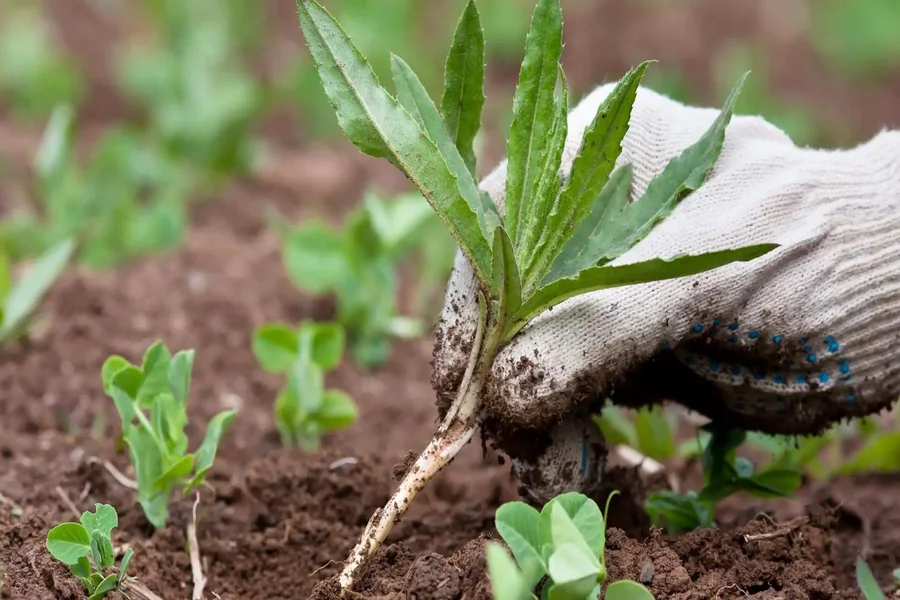
Although weeding may not sound exciting, many people find it surprisingly calming. Repetitive gardening tasks can help quiet racing thoughts and create a sense of order and control.
Spring is an ideal time to clear away dead leaves, weeds and debris left behind after winter. Tidying flower beds and outdoor spaces can also create a visible sense of achievement, which is important for mental wellbeing. Small accomplishments often help improve motivation and confidence, especially for people experiencing low mood or emotional burnout.
For individuals recovering from addiction, simple gardening tasks can also help establish healthy daily routines and reduce feelings of restlessness.
Growing Herbs and Vegetables
Growing herbs and vegetables can be especially rewarding because it combines gardening with healthy eating and self-sufficiency. Spring is the perfect season to begin planting easy crops such as lettuce, tomatoes, mint, basil and chives.
Watching plants grow from seeds into something edible can provide a strong sense of purpose and satisfaction. It also encourages patience and consistency, as regular care is needed for plants to thrive.
Many mental health professionals recommend activities like vegetable gardening because they promote mindfulness and routine. Caring for plants gives people responsibility and focus, which can be particularly valuable during periods of stress, anxiety or recovery from addiction.
There is also something deeply satisfying about eating food you have grown yourself, no matter how small the harvest may be.
Pruning and Cutting Back Plants
Spring pruning helps prepare plants for healthy new growth, and it can also provide mental clarity for gardeners themselves. Cutting back damaged stems, dead branches and overgrown plants symbolises a fresh start after the darker winter months.
This type of gardening work often requires concentration and care, helping people focus their attention away from stressful thoughts. Being physically active outdoors also increases exposure to natural sunlight, which may help improve mood and energy levels.
For many people, gardening becomes a form of mindfulness without them even realising it. The simple act of focusing on plants, soil and fresh air can create a calming effect that supports emotional wellbeing.
Creating a Relaxing Outdoor Space
Gardening does not always have to involve hard physical work. Sometimes, improving mental health can be as simple as creating a peaceful outdoor environment to enjoy.
Spring is a great time to clean patios, arrange potted plants, add garden furniture or create small seating areas surrounded by flowers and greenery. Having a calm outdoor space encourages people to spend more time outside, away from screens and daily pressures.
Relaxing in nature has been linked to lower stress levels and improved mental clarity. Whether it is reading a book in the garden or simply enjoying a cup of tea outdoors, these quiet moments can make a real difference to emotional wellbeing.