
Akureyri: A First-Timer’s Guide to Iceland’s Capital of the North
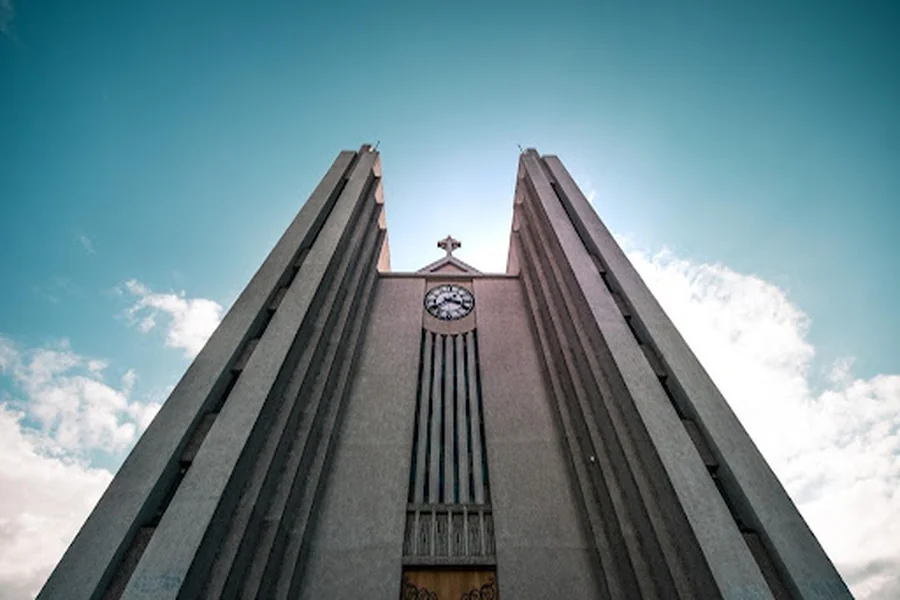
Most visitors to Iceland never leave the southwest, which is their loss and your opportunity. Akureyri sits at the head of Eyjafjörður, the country’s longest fjord, roughly 100 kilometres short of the Arctic Circle, and it makes the perfect base for the wilder north. With around 20,000 residents it is Iceland’s second-largest urban area, yet it still feels like a friendly town where the mountains lean right over the streets. Here is how to reach it, get around, and use it as a launch pad for the best of North Iceland.
Getting There and Around
You have two ways in. The scenic option is the drive up the Ring Road from Reykjavik, a full day with stops, while the quick one is a domestic flight into Akureyri Airport (AEY), which takes about 43 minutes from the capital and runs several times a day. Once you arrive, the compact centre is easy on foot, with the harbour, church and main street all within a short walk.
For the sights that are spread a little wider, an akureyri hop on hop off bus is the low-effort way to link them up. A single ticket lets you ride a loop of the main stops all day, stepping off at the church or the gardens and catching the next bus when you are ready, which saves both parking headaches and the cost of repeated taxis.
The City Itself
Start with the landmark you cannot miss. Akureyrarkirkja, the Lutheran church, stands on a rise above the centre at the top of a long flight of steps, designed by the state architect Guðjón Samúelsson and consecrated in 1940. Inside are an organ of around 3,200 pipes and a model ship hanging from the ceiling, an old Nordic custom meant to protect sailors.
A few minutes away, the Akureyri Botanical Garden is one of the northernmost in the world, sitting about 50 kilometres shy of the Arctic Circle. It packs more than 7,000 plant species into 3.6 hectares and charges nothing to enter. Look down at the traffic lights while you wander, too: since 2008 the red signals have glowed as small hearts, a deliberate lift to spirits during a hard economic winter that the town simply kept.
Waterfalls and Lava: Day Trips East
The real magic lies within an hour’s drive of town. Goðafoss, the “waterfall of the gods,” is only 35 kilometres east, about a 35-minute drive, where the river Skjálfandafljót spills over a curved lip in a broad white arc. Push on another half hour and you reach Lake Mývatn, a volcanic wonderland of pseudo-craters, steaming vents and the Mývatn Nature Baths, a quieter northern answer to the Blue Lagoon.
With a longer day you can add Dettifoss, one of Europe’s most powerful waterfalls, and the horseshoe canyon of Ásbyrgi. This whole eastern corridor is why so many travellers make Akureyri their northern hub rather than a quick photo stop.
Whales, Winter, and the Northern Lights
The fjord out front is one of Iceland’s best places to see whales, with summer tours from Akureyri and nearby Húsavík regularly spotting humpbacks and minkes. Come in winter and the town changes character entirely. Hlíðarfjall, the ski area on the slopes above, is among the country’s finest, and the long, dark nights make the north a strong bet for the aurora between roughly September and April.
That seasonal split is worth planning around. Summer brings near-endless daylight and open mountain roads, while winter trades them for snow, skiing and the chance of green light overhead.
What to Eat
The food scene punches above the town’s size. This is a place famous across Iceland for ice cream, and the old kiosk Brynja has been scooping it since the 1930s, with queues that ignore the weather. Beyond that, look for fresh Arctic char and local lamb on menus around the centre, and a growing handful of craft breweries that have made the north a small beer destination in its own right.
Prices are Icelandic, which is to say high, so a lunch of soup and bread and a picnic from the supermarket for the day trips will keep the budget in check without missing much.
When to Go
For long days, hiking and whales, aim for June to August, when the midnight sun barely lets the town sleep. For skiing, empty roads in the lowlands and a real shot at the northern lights, come between late September and March and pack for the cold. Either way, give Akureyri more than a night. The city is pleasant, but it is the fjords, waterfalls and lava fields within easy reach that turn a stop here into the highlight of an Iceland trip.