Best Ways to Choose and Use Mulch for a Healthy Garden
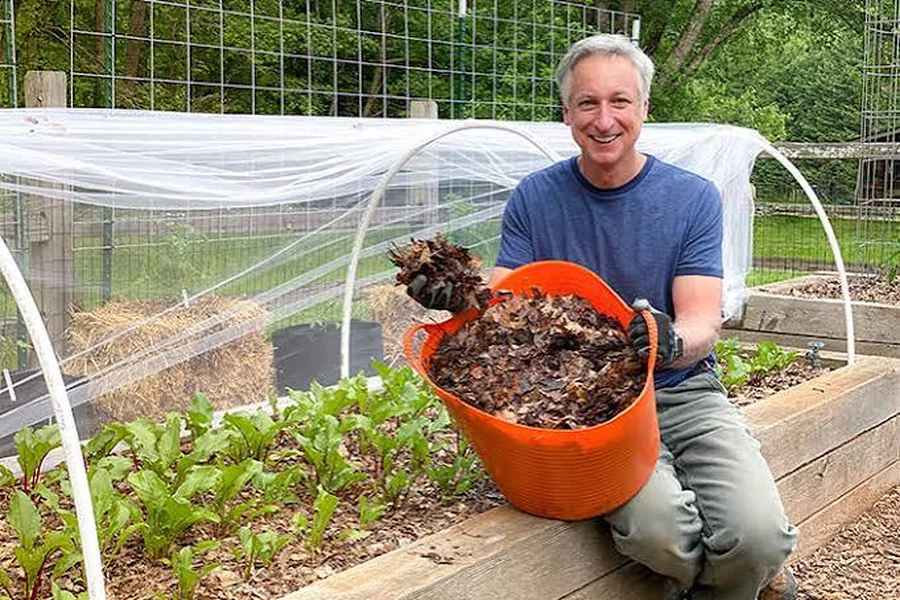
Every gardener knows that a thriving landscape doesn’t happen by accident. It requires the right soil, adequate water, and a keen eye for detail. Yet, one of the most underappreciated heroes in this equation is mulch. This simple layer of material spread over the soil surface can transform a struggling garden into a vibrant oasis. It conserves moisture, suppresses weeds, regulates soil temperature, and even adds a polished aesthetic to flower beds and vegetable patches. However, not all mulch is created equal, and understanding the nuances of selection and application is crucial for success. From the type of material to the depth of the layer, every decision impacts your garden’s health. This guide will walk you through the essential steps to choose the right mulch and use it effectively, ensuring your outdoor space thrives throughout the year.
Understanding the Core Benefits of Mulching
Before diving into the selection process, it is important to appreciate why mulching matters so much. A good layer of mulch acts as a protective blanket for your soil. In the sweltering heat of a Midwestern summer, it shields the ground from direct sun, reducing evaporation and keeping roots cool. Conversely, during unpredictable winter freezes, it insulates the soil, preventing damaging freeze-thaw cycles that can heave plants out of the ground. Furthermore, organic mulches break down over time, adding vital nutrients and improving soil structure as they decompose. This natural process encourages beneficial earthworm activity and enhances the soil’s ability to retain water. By suppressing weed seeds from germinating, it also saves you hours of back-breaking weeding, allowing you to spend more time enjoying your garden rather than fighting it.
Types of Mulch: Organic vs. Inorganic
The first major decision you will face is choosing between organic and inorganic materials. Organic mulches are derived from once-living materials and decompose over time, enriching the soil. Inorganic mulches, such as gravel or landscape fabric, do not break down and offer a more permanent solution. For most home gardeners, organic options are the preferred choice because they improve soil health as they age. However, the best choice depends on your specific goals. If you are looking to build a low-maintenance rock garden or need a permanent solution for a high-traffic walkway, inorganic might be suitable. For flower beds and vegetable gardens, organic is almost always the superior route.
Popular Organic Options
- Wood Chips and Bark: These are the most common types found at garden centers. They are excellent for trees, shrubs, and large garden beds. They break down slowly and provide a classic, natural look.
- Shredded Leaves: A fantastic, often free resource if you have trees on your property. They are perfect for woodland gardens and vegetable plots, breaking down quickly to feed the soil.
- Straw: This is an excellent choice for vegetable gardens, keeping the soil cool and the produce clean. Just be careful to use straw, not hay, as hay is full of weed seeds.
- Grass Clippings: A great way to recycle yard waste. They are rich in nitrogen and break down very fast. Use them in thin layers to prevent them from becoming a smelly, matted mess.
- Compost: While often used as a soil amendment, compost can also be used as a top-dressing mulch. It is the most nutrient-dense option and works wonders for feeding plants.
When to Consider Inorganic Mulch
Inorganic materials like black plastic or landscape fabric are often used in commercial agriculture, but they have a place in the home garden too. They are unmatched at preventing weeds and warming the soil in early spring. However, they do not add organic matter, and they can prevent water from reaching the soil if not installed with proper perforations. For ornamental beds, a layer of decorative gravel or pebbles can offer a modern, clean aesthetic that never needs replacing. Just remember that these materials can absorb heat and reflect it onto plants, which might not be suitable for heat-sensitive species.
How to Choose the Right Mulch for Your Landscape
Selecting the right mulch involves more than just grabbing the first bag you see at the hardware store. You should consider the specific needs of your plants, the local climate, and the aesthetic you wish to achieve. For a formal garden, a uniform, finely shredded hardwood bark looks neat and professional. For a rustic or woodland setting, larger pine bark nuggets or wood chips feel more natural. The color also matters; dyed mulches (like red or black) are popular in the South for their dramatic visual impact, but they often use artificial dyes. If you prefer an all-natural approach, stick to undyed materials.
A crucial factor for many gardeners is the source of the mulch. You can often get bulk mulch delivered from local landscaping supply companies, which is more cost-effective for large areas. Bagged mulch is easier to transport and handle for smaller projects. When choosing, check the texture. Mulch that is too fine can compact and suffocate roots, while mulch that is too coarse might not hold moisture well. A mix of particle sizes is generally best for water infiltration and staying power. Also, be wary of fresh wood chips, which can temporarily tie up nitrogen in the soil as they decompose. If using fresh chips, add a nitrogen-rich fertilizer to the soil beforehand to compensate and find a landscape supply yard near you.
The Art of Creating a MulchMound
One of the most common mistakes new gardeners make is piling mulch against the trunks of trees and stems of shrubs. This practice, often called a “mulch volcano,” is harmful to plant health. It traps moisture against the bark, leading to rot, disease, and insect infestations. Instead, you should aim to create a
MulchMound that is flat and even, with a distinct well around the base of the plant. This technique ensures that the trunk stays dry while the roots receive all the benefits of the mulch layer. When applying mulch around a tree, start the layer a few inches away from the trunk and extend it outward to the drip line. The goal is to have a uniform, donut-shaped ring that allows air to circulate around the bark.
Step-by-Step Application
- Prepare the Area: Remove existing weeds and rake the soil smooth.
- Edge the Bed: Create a clean, defined edge to keep the mulch in place and the grass out.
- Apply the Mulch: Spread the mulch evenly to a depth of 2 to 3 inches. For heavier clay soils, a shallower layer is better to prevent waterlogging. For sandy soils, a thicker layer helps retain moisture.
- Leave Breathing Room: Ensure the mulch does not touch the stems or trunks of your plants.
- Water In: After spreading, water the area thoroughly. This helps settle the mulch and begins the decomposition process.
Seasonal Considerations for Mulching
Timing is just as important as technique. The best time to apply mulch is in the late spring, after the soil has warmed up. If you apply it too early in the spring, you will insulate the cold soil and delay plant growth. In fall, a fresh layer of mulch acts as an insulation blanket for perennial roots, protecting them from the harsh winter. It also prevents soil erosion from winter rains and snowmelt. In the United States, the climate varies dramatically from zone to zone. In the arid Southwest, a thick mulch layer is essential for conserving precious water. In the humid Southeast, a lighter application is needed to avoid excessive moisture retention and fungal issues. Always adjust your mulching practice based on your local weather patterns.
Common Mulching Mistakes to Avoid
Even with the best intentions, it is easy to make mistakes. One of the biggest errors is applying mulch too thickly. A layer that is 6 inches deep can prevent water and oxygen from reaching the soil, creating a hostile environment for roots. It can also become a haven for pests like slugs and voles. Another mistake is ignoring the condition of the existing mulch. If you have old mulch that has compacted, you should rake it to break it up and loosen it before adding a new layer. Adding new mulch on top of old, matted mulch can create a water-repellent barrier. Also, remember that “free” mulch from tree services can sometimes harbor weed seeds or diseases. Always inspect it before accepting a delivery.
The Financial and Environmental Impact
From a financial perspective, mulching is an investment that pays off. By suppressing weeds, you save money on herbicides and reduce time spent on manual weeding. By retaining soil moisture, you reduce your water bill significantly during the hot summer months. Environmentally, using organic mulch reduces the need for chemical fertilizers and pesticides. It also keeps yard waste out of landfills. Many municipalities in the U.S. offer free compost and wood chips made from recycled yard debris, making it an eco-friendly and budget-conscious choice. Choosing the right mulch for your garden is a simple way to practice sustainability right in your own backyard.
Conclusion
Mulching is a fundamental practice that yields immense rewards for any gardener. It is a simple action that provides a multitude of benefits, from conserving water and suppressing weeds to enriching the soil and protecting plant roots. The key to success lies in making informed choices—selecting the right material for your specific needs, applying it at the correct depth, and avoiding common pitfalls like the harmful mulch volcano. By taking the time to understand your garden’s unique requirements and following the guidelines for proper application, you can create a landscape that is both beautiful and resilient. Whether you are tending a small vegetable patch or a sprawling estate, the thoughtful use of mulch is a cornerstone of healthy, sustainable gardening. So, grab your rake, choose your material wisely, and give your garden the protective layer it deserves.