Best Wedding Photo Locations in London | Wezoree Guide
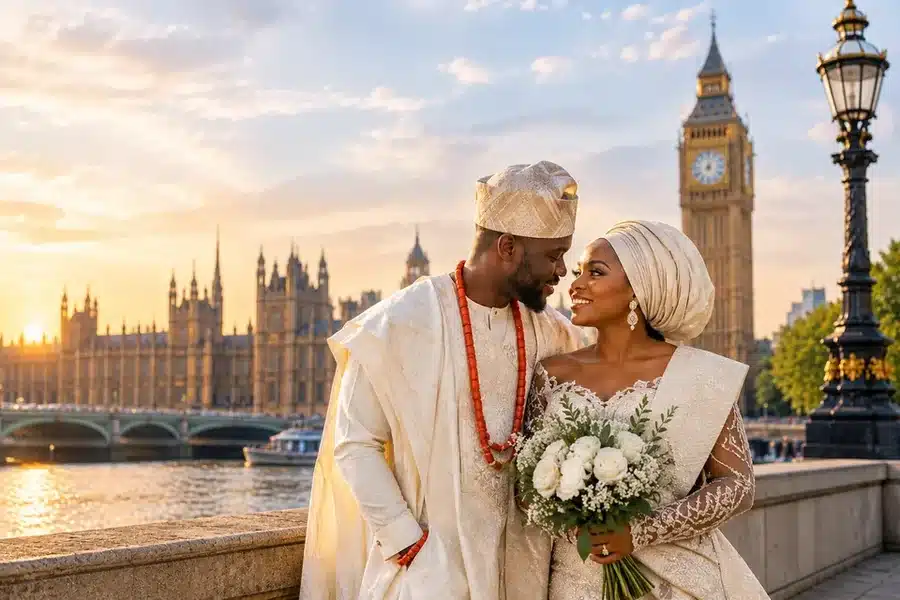
London offers something few wedding destinations can match: historic landmarks, royal gardens, elegant residential streets, contemporary architecture, and riverside views within the same city. For couples exploring London wedding photographers, choosing the right locations is just as important as finding a professional whose style matches their vision. The best backdrops are not necessarily the most famous ones. Your choices should depend on your ceremony venue, available time, photography preferences, and how comfortably you can move between locations.
At Wezoree, we recommend treating London wedding photography as a balance between setting, light, accessibility, and timing. Whether you want Big Ben in the background or intimate portraits on a quiet mews street, the goal is to choose locations that complement your wedding rather than interrupt it.
From Landmarks to Hidden Gardens: Why London Works Well for Wedding Photos
London accommodates almost every wedding photography aesthetic. Westminster and Tower Bridge provide recognizable city backdrops, while historic neighborhoods offer understated architecture, cobblestone streets, and elegant townhouses. Royal parks introduce greenery and seasonal color, and the Thames creates opportunities for both daylight portraits and dramatic evening photographs.
The challenge is that London is also a busy working city. Popular landmarks attract tourists, traffic can make short journeys unpredictable, and certain photography locations require advance permission.
Before deciding where to take your photographs, consider three questions:
- What atmosphere do you want? Grand architecture, natural greenery, romantic streets, or contemporary city views?
- How much time can you dedicate to portraits? A 30-minute session near your venue requires a very different plan from visiting several landmarks.
- What is realistically accessible? Distance, photography permissions, pedestrian traffic, and weather should influence the final selection.
Our recommendation is to choose one primary location and one nearby alternative. This usually creates enough visual variety without taking unnecessary time away from your guests.
Iconic Landmarks: Westminster, Tower Bridge, and the South Bank
London’s landmarks are ideal for couples who want their wedding photographs to immediately communicate the city where they celebrated. Each location, however, comes with its own practical considerations.
Westminster and Big Ben: Classic London Architecture
The area around the Palace of Westminster, Elizabeth Tower (commonly called Big Ben), and Westminster Bridge provides some of London’s most recognizable photographic compositions.
The Gothic architecture works especially well for formal wedding portraits, editorial photography, and elegant black-and-white images.
Where to photograph:
- Westminster Bridge for views of Elizabeth Tower and Parliament.
- The opposite side of the Thames for wider architectural compositions.
- Nearby streets for photographs combining Westminster architecture with the atmosphere of central London.
Best time: Early morning, particularly if fewer pedestrians are important.
What to consider: Westminster is a busy transport and sightseeing area. Parliament Square and certain managed spaces require specific photography permissions, so confirm the intended shooting position rather than assuming the entire area is freely accessible.
For couples with a central London ceremony, Westminster can be an efficient location if the photographer plans the exact route in advance.
Tower Bridge: Riverside Portraits with a Landmark Backdrop
Tower Bridge is particularly versatile because couples do not have to stand directly on the bridge to create recognizable photographs. Some of the strongest compositions are taken from surrounding riverside locations, where the bridge becomes part of the background.
Locations worth considering:
- Riverside viewpoints near Potters Fields.
- Shad Thames for historic warehouses and atmospheric streets.
- Butler’s Wharf for brick architecture and river views.
- Suitable public riverside viewpoints with the bridge behind the couple.
Best time: Early morning for lighter pedestrian traffic, or late afternoon and evening for changing river light.
What to consider: Tower Bridge’s official photography guidance requires applications for organized photography on the bridge’s pavements, Tower Bridge Road, within the attraction, and certain other controlled areas. Nearby land may have different owners and permission requirements.
Photographing the bridge from an appropriate public viewpoint is not automatically subject to the same restrictions as photographing on the structure.
For couples wanting variety without extensive travel, combining Tower Bridge views with nearby Shad Thames streets can be particularly effective.
The South Bank: A More Contemporary London Atmosphere
The South Bank offers a different interpretation of London wedding photography. Instead of one dominant landmark, the area provides a sequence of riverside views, bridges, contemporary architecture, and pedestrian streets. Depending on the exact location, photographs can incorporate the London Eye, the Thames, the National Theatre area, or views toward Westminster.
It works well for:
- documentary-style walking portraits;
- fashion-influenced city photographs;
- candid movement;
- evening city lights;
- couples who prefer an urban atmosphere over formal gardens.
Best time: Early morning for quieter walkways or late afternoon for more atmospheric riverside light.
What to consider: Different parts of the South Bank are controlled by different landowners. Professional or editorial photography may require advance permission, even in publicly accessible spaces.
Quieter Spots: Royal Parks, Mews Streets, and Hidden Courtyards
Not every couple wants famous landmarks in every photograph. Some of London’s most elegant wedding images come from locations where the setting supports the couple rather than dominating the composition.
Royal Parks: Greenery and Seasonal Color
London’s Royal Parks offer lakes, tree-lined paths, gardens, and open landscapes that contrast beautifully with the city’s architecture.
Three options worth considering are:
- St. James’s Park: Suitable for romantic greenery and elegant landscapes close to Westminster.
- Kensington Gardens: A strong option for formal garden photographs, architectural backgrounds, and tree-lined paths.
- Greenwich Park: Particularly appealing for couples who want greenery combined with panoramic views of London.
These locations are especially attractive in spring and autumn, although their visual character changes throughout the year.
Important: Professional wedding photography in the Royal Parks requires a permit. Current rules specify one-hour sessions, a maximum of 10 people, selected permitted areas, and advance application. Hyde Park wedding photography is restricted to the Rose Garden.
Do not add a Royal Park to your schedule until permission and the specific shooting area have been confirmed.
Mews Streets: Understated London Elegance
Mews streets offer a more intimate alternative to major landmarks. Traditionally associated with former carriage houses and stables, these streets often feature historic façades, distinctive doorways, cobblestones, and compact architectural compositions. Areas such as Kensington, Belgravia, and Notting Hill are worth exploring with a photographer who knows the neighborhood.
They work particularly well for:
- editorial portraits;
- natural walking photographs;
- minimalist compositions;
- sophisticated, less tourist-oriented imagery.
However, mews streets are often residential, and some are privately managed. Avoid blocking driveways, photographing private property without permission, or assuming that a quiet street is available for an organized professional shoot.
Hidden Courtyards and Historic Streets
London also offers intimate architectural settings around Marylebone, Covent Garden, and the City of London.
Look for:
- historic brickwork;
- arches and passageways;
- small squares;
- textured façades;
- sheltered architectural spaces.
These locations can be especially useful for couples who want a city atmosphere without the scale of Westminster or Tower Bridge.
Some courtyards, markets, estates, and historic gardens have specific photography rules. A location being open to visitors does not necessarily mean professional wedding shoots are unrestricted.
Which London Wedding Photo Location Is Right for You?
| Location | Photography Style | Main Consideration |
| Westminster | Classic, architectural, editorial | Crowds and permissions |
| Tower Bridge | Iconic, romantic, urban | Shooting position and access |
| South Bank | Contemporary, documentary | Pedestrian traffic and land ownership |
| St. James’s Park | Natural, romantic | Permit and designated areas |
| Kensington Gardens | Elegant, garden-focused | Permit and seasonal conditions |
| Greenwich Park | Panoramic, natural | Travel and permit |
| Kensington or Belgravia mews | Minimalist, editorial | Residential access and privacy |
| Marylebone streets | Timeless, understated | Traffic and pedestrian activity |
The most efficient choice is often the one that matches your visual preferences and sits close to your wedding venue.
Permissions and Timing: Planning Around Crowds, Light, and British Weather
London wedding photography requires a little more preparation than simply arriving at a landmark with a camera.
Check Photography Permissions Before Finalizing Locations
Permission requirements depend on who owns or manages the space, the type of photography, equipment, and whether the session is professionally organized.
Pay particular attention to:
- Royal Parks and managed gardens;
- Parliament Square and other controlled Westminster locations;
- Tower Bridge and its managed areas;
- South Bank properties;
- privately owned courtyards and estates;
- historic interiors;
- locations involving tripods, lighting equipment, or drones.
Your photographer should confirm the relevant rules, application deadlines, insurance requirements, and any applicable fees.
Choose the Right Time for Your Photographs
Early morning: Often the strongest choice for couples who want recognizable landmarks with fewer people in the background.
Late afternoon: Useful for softer portrait lighting, although popular locations may remain crowded.
Golden hour: Can create beautiful atmospheric images, but the exact timing changes significantly between summer and winter.
After dark: London offers opportunities for portraits with illuminated architecture, streetlights, and reflections. These sessions require a photographer experienced with low-light photography.
Plan for Rain, Not Just Sunshine
Rain is a realistic possibility during any season in London. A practical backup plan should include:
- a sheltered alternative with confirmed access;
- umbrellas that complement wedding attire;
- enough flexibility to move portraits within the schedule;
- indoor photographs at the wedding venue;
- a photographer comfortable working in low light and wet conditions.
Cloudy skies can actually benefit portrait photography by creating soft, relatively even light. The bigger issue is heavy rain combined with wind, especially for locations along the Thames where shelter may be limited. Rather than designing your entire schedule around ideal weather, create a plan that still works if conditions change.
Getting Around: Building Travel Time into Your Photo Schedule
London’s distances can be misleading. Two locations may look close on a map but require considerably more time once traffic, walking distances, congestion, vehicle access, and wedding attire are considered. A couple wearing formal wedding clothing may also move more slowly than someone sightseeing in comfortable shoes.
Example: A 30-Minute Portrait Session
| Activity | Planning Allowance |
| Leave venue and reach transport | 10 min |
| Travel to photo location | 20 min |
| Walk and position for photographs | 10 min |
| Photography session | 30 min |
| Return travel | 20 min |
| Buffer | 10 min |
| Total time away | 100 min |
This is an illustrative planning allowance, not a measured journey. Actual timing depends on your venue, route, traffic, and transportation.
Build Your Route Around One Area
Instead of crossing London to visit several landmarks, consider grouping locations by neighborhood.
- Westminster-focused route: Westminster Bridge area → approved nearby viewpoints → South Bank.
- Tower Bridge-focused route: Approved riverside viewpoint → Shad Thames → Butler’s Wharf.
- Elegant residential route: Kensington or Belgravia streets → permitted garden location → nearby venue.
Each route should be adjusted according to actual permissions and travel conditions.
For couples determined to visit several distant landmarks, a separate engagement, pre-wedding, or day-after session may be more practical than trying to fit everything between the ceremony and reception.
Choosing a London Wedding Photographer Who Knows the City: Wezoree Tips
An experienced London wedding photographer offers more than technical ability. Local knowledge can make a meaningful difference when selecting locations, anticipating busy periods, choosing viewpoints, and planning transport.
At Wezoree, we recommend reviewing photographers based on how they actually work in London rather than simply whether they list the city as a service location.
Look for Relevant Wedding Galleries
When exploring London wedding photographers on Wezoree, examine portfolios for different environments:
- landmark portraits;
- natural-light garden photographs;
- city streets;
- indoor venues;
- overcast conditions;
- evening celebrations.
A photographer who produces excellent portraits in a controlled setting should also be able to demonstrate how they handle unpredictable public locations.
Where available, Real Weddings can provide additional insight into how photographers approach an entire celebration, rather than presenting only carefully selected portfolio highlights.
Ask Location-Specific Questions
Before booking, ask:
- Which locations would you recommend near our venue?
- How much portrait time do we realistically need?
- Have you worked at our chosen locations before?
- Can you help confirm photography permissions?
- What would you change if it rains?
- Which locations work best at our ceremony time?
- Would you recommend photographing landmarks on the wedding day or during a separate session?
One particularly useful question is: “If we had only 30 minutes for portraits near our venue, where would you take us and why?” The answer should demonstrate understanding of light, accessibility, crowd levels, and your preferred aesthetic.
Use Wezoree to Compare More Than Portfolios
Depending on the professional’s profile, Wezoree may also display reviews, awards, Real Weddings, interviews, and editorial mentions. These elements provide different perspectives on a photographer’s work.
Portfolios reveal visual style. Real Weddings provide context and consistency. Reviews offer insight into the client experience. Interviews can explain the photographer’s creative approach, while awards and editorial recognition add professional context.
Together, they help couples make a more informed decision.
Ultimately, the photographer should understand both how you want your wedding photographs to look and how to achieve them within your actual wedding schedule.
Plan Your London Wedding Photos with the Right Professional
The best wedding photo locations in London are not necessarily the busiest landmarks or the most photographed streets. They are the places that suit your celebration, complement your aesthetic, and fit naturally into your wedding day.
Westminster and Tower Bridge provide unmistakable city views. The South Bank offers contemporary energy. Royal Parks bring greenery and seasonal character, while mews streets and historic courtyards create a quieter, more intimate atmosphere.
Choose your locations carefully, verify permissions, plan realistic travel times, and prepare for changing weather.
At Wezoree, we encourage couples to work with a photographer who can turn those practical considerations into a thoughtful photography plan. The right professional will know when a famous landmark is worth including, when a nearby street offers a better composition, and when the best decision is simply to stay close to the celebration.
London provides the setting. A well-planned timeline and the right photographer make it work.