Day of the Dead in Mexico: What Travelers Should Know Before They Go
Celebrated on November 1st and 2nd, the Day of the Dead in Mexico is an ancestral tradition that blends indigenous rituals with elements introduced by the Spanish. It’s a ceremony rooted in belief, memory, and connection, which purpose is not to mourn death, but to celebrate the life and memories of those who are no longer physically present.
For travelers planning a visit, understanding this distinction transforms the experience from spectator to participant in one of the world’s most profound cultural celebrations. If you’re considering a trip for Day of the Dead in Mexico, knowing what to expect and how to engage respectfully will deepen your appreciation.
What makes an ofrenda sacred
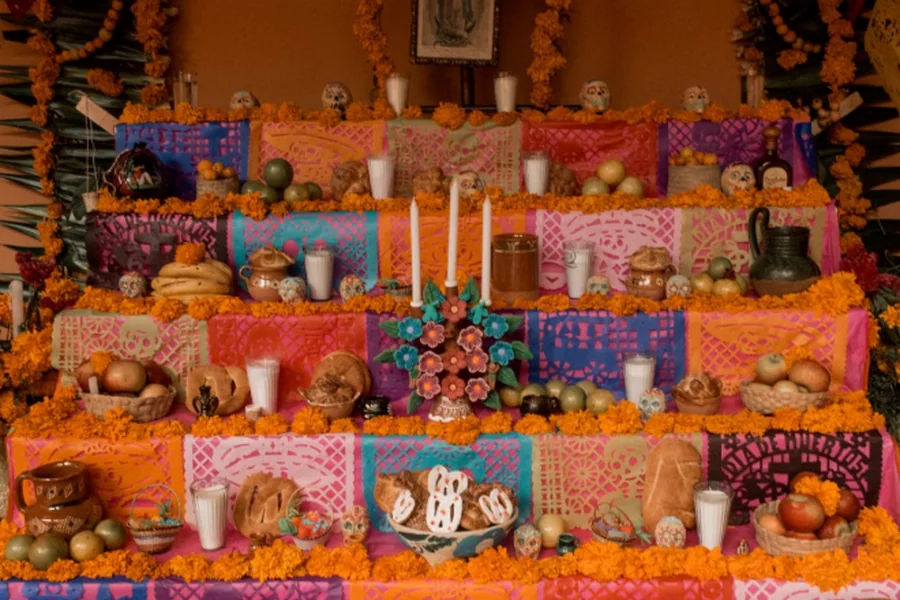
An ofrenda is an altar for the Day of the Dead festival that is set up to welcome and honor the deceased, typically decorated with photographs of the deceased, food, marigolds, candles, and skulls or skeleton ornaments.
Each element carries intention and symbolism that guides spirits home:
- Orange or yellow Aztec marigold flowers are regarded as essential ornaments on an ofrenda, and the marigold’s strong scent is thought to assist the deceased in locating the altar.
- Candles are an essential element of ofrendas, keeping vigil throughout the night, illuminating the way for visiting souls and symbolizing hope and faith.
- Water is placed in the ofrenda to quench the thirst of the spirits and also symbolizes the element of life.
- Salt, a symbol of purification, is for the dead to season the food you’ve offered them.
- The Pan de muerto is a kind of sweet bread that can be found on most altars, usually round, with the shape of crossed bones on the top.
- Photographs of the person the altar is dedicated to help loved ones to remember them while they were in the prime of their lives.
The holes in papel picado allow a way for souls to travel through and visit, and the delicate nature of the paper is symbolic of the fragility of life.
The calendar: when spirits return
Ofrendas go up in the days beforehand, and in many families and communities candles are lit and vigils begin on the evening of October 31.
Dia de Los Angelitos starts the holiday at midnight on November 1st when the spirits of all deceased children are believed to be reunited with their families for 24 hours, and families construct an altar with the departed child’s favorite snacks, candies, toys, and photographs.
November 2, also known as All Souls’ Day, is dedicated to remembering and celebrating deceased adults. The timing aligns with Catholic observances but the Day of the Dead traditions carry a distinctly celebratory tone that sets them apart from European mourning customs.
Where to experience the celebration

Oaxaca offers one of the most authentic and elaborate celebrations, with traditions here being among the oldest and most deeply rooted. If you want to experience Day of the Dead as a ceremony rather than a spectacle, Pátzcuaro is where you go, as the indigenous Purépecha people of Michoacán have maintained their own distinct version of this tradition.
From October 30th to November 2nd, places on the Caribbean coast gather the rituals of the Pre-Hispanic world and the traditions of guest states to commemorate the celebration, offering food, offerings, altars, workshops, handicrafts, expositions, theater, dances, and gala concerts.
These multi-day programs bring together Day of the Dead altars representing several regional styles in one location, making them accessible for travelers based in coastal resort areas.
Tip: Book 6 months ahead for destinations like Pátzcuaro, as demand peaks well before the dates. The marigold flower meaning and other symbolic elements remain consistent across regions, but each area adds its own cultural layer to the observance.
How to attend respectfully
Day of the Dead is deeply personal, and the difference between watching a parade and understanding what’s happening is enormous. Treat what you witness as a ceremony rather than a spectacle.
- Ask before photographing, especially at family altars or cemetery vigils. “¿Puedo tomar una foto?” (May I take a photo?), “¿De quién es la ofrenda?” (Whose ofrenda is this?), and “Gracias por compartir” (Thank you for sharing) go a long way at cemetery vigils. These simple phrases demonstrate respect for the families sharing their most intimate traditions with visitors.
- Dress thoughtfully for the occasion, with respectful attire that allows you to blend in rather than stand out. You may also consider face paint over costume masks to participate authentically.
- Sadness is considered disrespectful to the visiting souls, so embrace the celebratory spirit while maintaining reverence for what families are honoring.
Frequently asked questions
Is Day of the Dead the same as Halloween?
While they occur at the same time of year, they are entirely different holidays—Halloween has its roots in Celtic pagan traditions and often focuses on fright, costumes, and mischief, while Day of the Dead is a joyous celebration of Indigenous Aztec origin focused on love, respect, and remembering deceased family members.
What should I bring to a Day of the Dead celebration?
- Bring cash for purchases at markets and from street vendors, as many operate on a cash-only basis.
- A Spanish phrasebook or translation app helps with respectful communication.
- If attending cemetery vigils, consider bringing a small offering like flowers to place respectfully.
- Comfortable shoes are essential for walking on uneven surfaces, and a light jacket for evening events when temperatures drop.
Can I participate in Day of the Dead if I’m not Mexican?
Many communities welcome visitors who take time to understand the significance rather than treating it as entertainment. Participate by learning the symbolism, asking permission before photographing, supporting local artisans, and engaging with the celebration’s deeper meaning rather than just its visual elements.
Celebrate the life and passing with respect
Day of the Dead in Mexico extends beyond dates and locations to understanding why this tradition endures. The altars you’ll see aren’t decorations—they’re invitations. The food isn’t just cuisine—it’s sustenance for a spiritual journey. The flowers, candles, and photographs create a map home for those who’ve traveled the farthest distance.
Research the specific regional traditions of your destination, as celebrations vary significantly between states. Bring respectful curiosity, and prepare to witness how an entire culture transforms grief into celebration, absence into presence, and death into an annual reunion.